Read Chapters 1 and 2 in the Textbook. Clothes and Your Appearances
2 Dress, Appearance, and Identity
In this affiliate, yous will
- MLO 2.i Place foundational concepts and theories related to identity and apparel. [CLO 1]
- MLO ii.2 Identify pioneering scholars in the identity and dress bailiwick. [CLO i]
- MLO 2.3 Identify the sources of the data and enquiry for the course content. [CLO 1]
- MLO two.four Summarize the part of wearing apparel in identity development. [CLO one]
- MLO 2.v Explicate the ways individuals acquire near how to apparel. [CLO ane]
- MLO 2.vi Explicate various motivations for clothes. [CLO 1]
- MLO 2.vii Analyze the relationships amid stigma, stigma management, identity, and dress. [CLO i]
- MLO two.8 Deconstruct your own perspectives and approach to understanding the dress of others. [CLO 4]
The cloth presented in this book comes from studies or research in various fields of research, or disciplines. Some of the fields that relate to the topics covered in this book include those listed beneath:
- psychology
- social psychology
- anthropology
- cultural studies
- women's studies
- manner studies
Scholars and researchers (e.grand., professors, authorities agencies, and nonprofits) exercise systematic inquiry through studies, research, and bearding peer review prior to their work being published.
What is Peer Review?
Peer review is a really important part of publishing scholarship. Much of the work discussed in this book is from peer-reviewed inquiry. Peer-reviewed research, the lengthy process outlined below, can take anywhere from six months to multiple years.
- Researcher(s) conducts a written report and write(s) up their results in a newspaper.
- The researcher(s) submit(s) their paper to an editor.
- Keeping the author(south) name(s) bearding, the editor sends the newspaper out to two or more than reviewers who evaluate it for content and rigor.
- The reviewers decide whether the paper should be published too suggest changes (often, a pregnant number of changes).
- The researcher/author(s) edit(s) their paper based on the reviewers' feedback (sometimes over multiple rounds).
- Finally, the paper is published.
Types of Inquiry
There are many means to study dress, appearance, and identity. The following are a few examples.
- Ascertainment: ethnography, prolonged appointment with community; today there are both in-person and online ethnographic methods.
- Material culture: study of objects such equally at a museum or in an annal.
- Historical: examination of documents, garments, and other chief sources to tell the story of the by.
- Survey: fill in the blank, check a box
- Interviews: both individual and focus groups (multiple people)
Example of a peer-reviewed research newspaper
Below is an instance of a published peer-reviewed newspaper. Scholars at Cornell University conducted the enquiry and then published it in an bookish journal.
Study: Negotiating Identities in the Furry Fandom through Costuming (Satinsky & Green, 2016)
Method:
The authors used various methods to investigate how individuals negotiate their varying identities through costume at furry conventions.
- Drawing on ethnography, the scholars attended and observed two furry fandom conventions. They also conducted in-depth interviews and asked questions of attendees. Sentry this short video to encounter a visual of a furry convention
To view a transcript for this video, download this file: Anthrocon 2017 Brings Hirsuite Fandom to Pittsburgh Video Transcript [Dr.]
This video instance uses anecdotal prove, or evidence based on or consisting ordinarily of reports or observations of unscientific observers. That is, this video was not peer-reviewed and published in an academic forum. While anecdotal testify tin can be important and cannot be discounted, much of the work in this book is from peer-reviewed literature.

Clothes is not merely this yellow garment:
Dress is an intentional and unintentional modification of appearance, what people do to their bodies to maintain, manage, and change appearance. This includes
- objects worn on or around the body
- modifications to the body (e.g., plastic surgery).
Dressing is the behavior related to dress or actions related to how one appears.
Pioneering Scholars in Mode Studies
- Susan Kaiser
- Elizabeth Mode
- Darnell-Jamal Lisby
- Ben Barry
- Phyllis Bell Miller
- Gwendolyn O'Neal
- Min-ha T. Pham
- Jasmine Helm
- Christina Moon
- Amanda Muhammad
- Eulanda Sanders
- Lauren Downing Peters
- Regan de Loggans
- Joanne Eicher
- Mary Ellen Roach-Higgins
- Kim Johnson
- Sharron Lennon
- Nancy Rudd
- Joanne Entwistle
- Fred Davis
- Christopher Breward
- Denise Nicole Dark-green
- Tameka Ellington
- Carol Tulloch
- Kim Jenkins
- Dyese Matthews
- Tanisha Ford
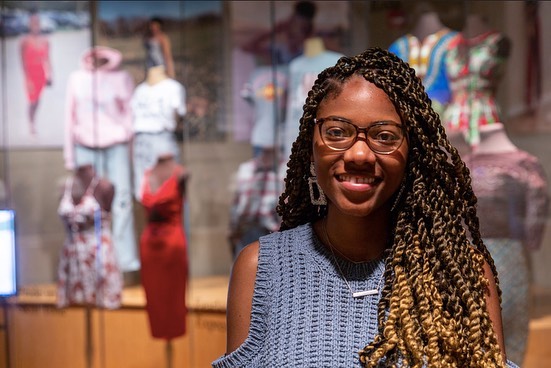
Objects
Vesture is an case of an object worn on or around the body and refers to 3-dimensional objects that enclose and envelop the torso in some fashion. They may exist
- wrapped effectually the trunk
- suspended from the body
- fitted to the body
- preshaped to the torso.
These are examples of clothing:
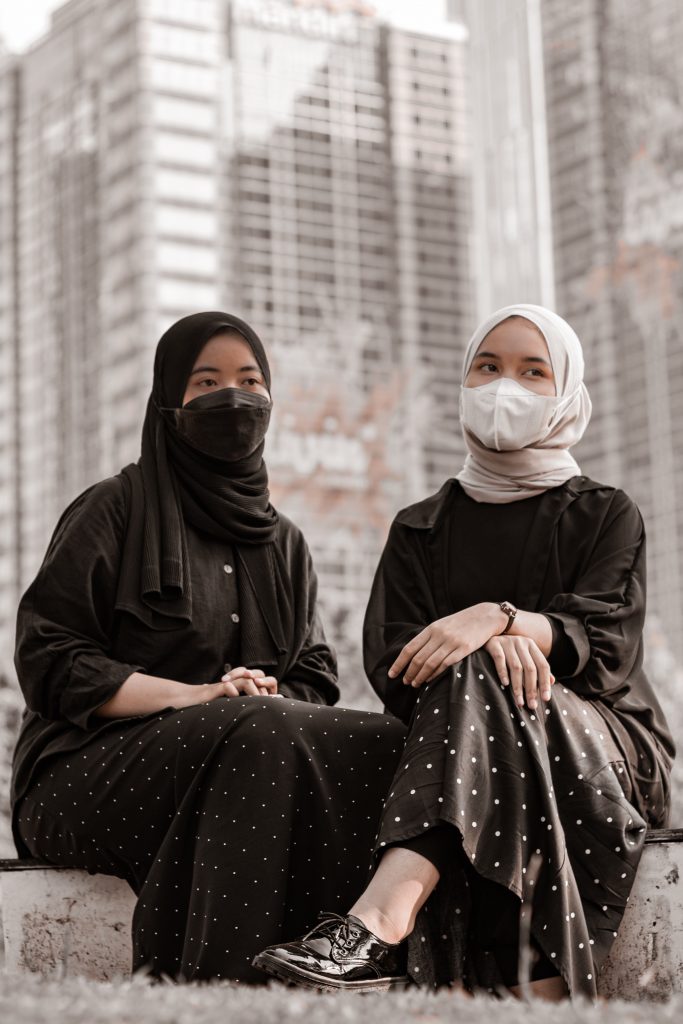


Other examples of dress objects include accessories, shoes, or other objects worn on the body such as braces attached to the teeth.
Modifications
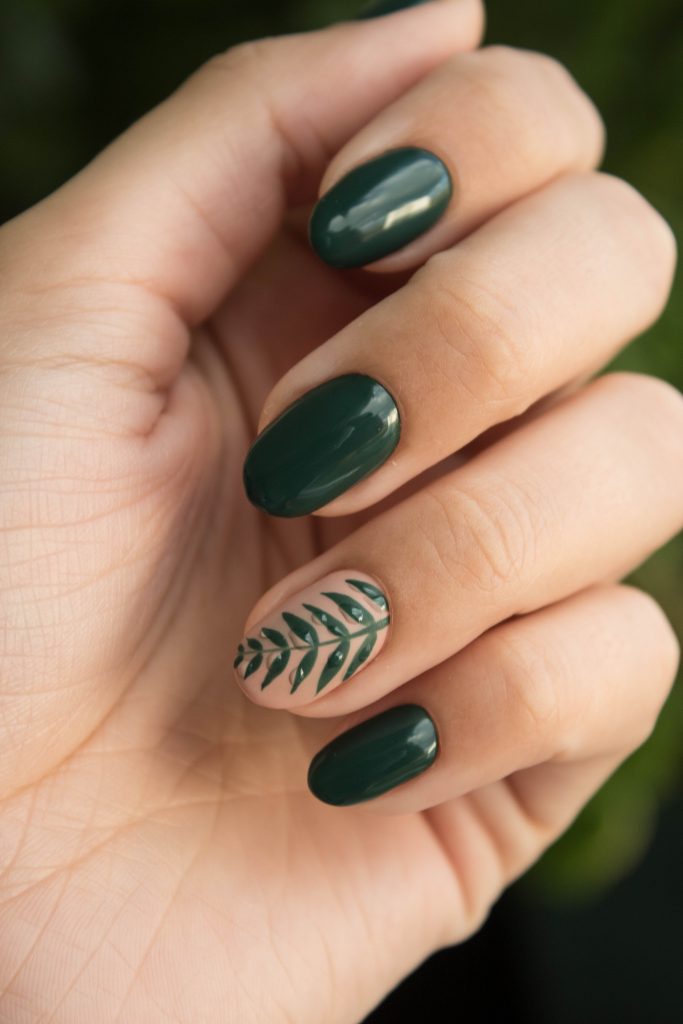
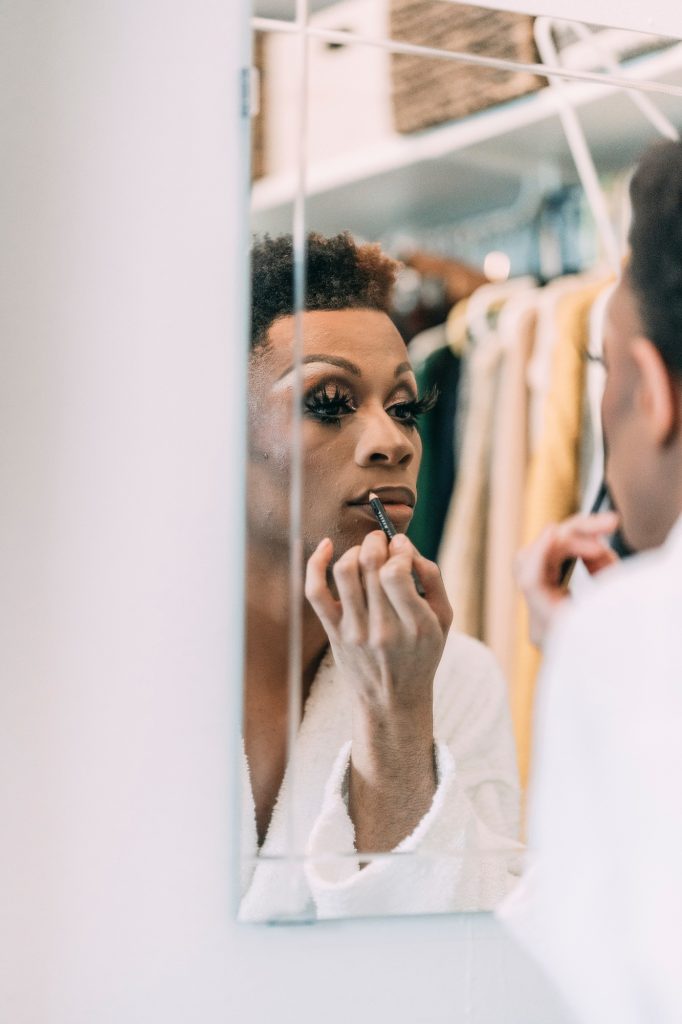
Modifications are also a part of dress. These might include additions or reductions to the actual torso such as losing weight or hair extensions. It also involves irresolute hair color, clipping nails, tanning, and straightening of teeth by wearing braces. Wearing perfume, showering, and having pilus implants completed are also examples of modifications. Teeth whitening processes also fall under the category of dress equally they modify the colour of tooth enamel.
Following are examples of reductions and modifications to the body:
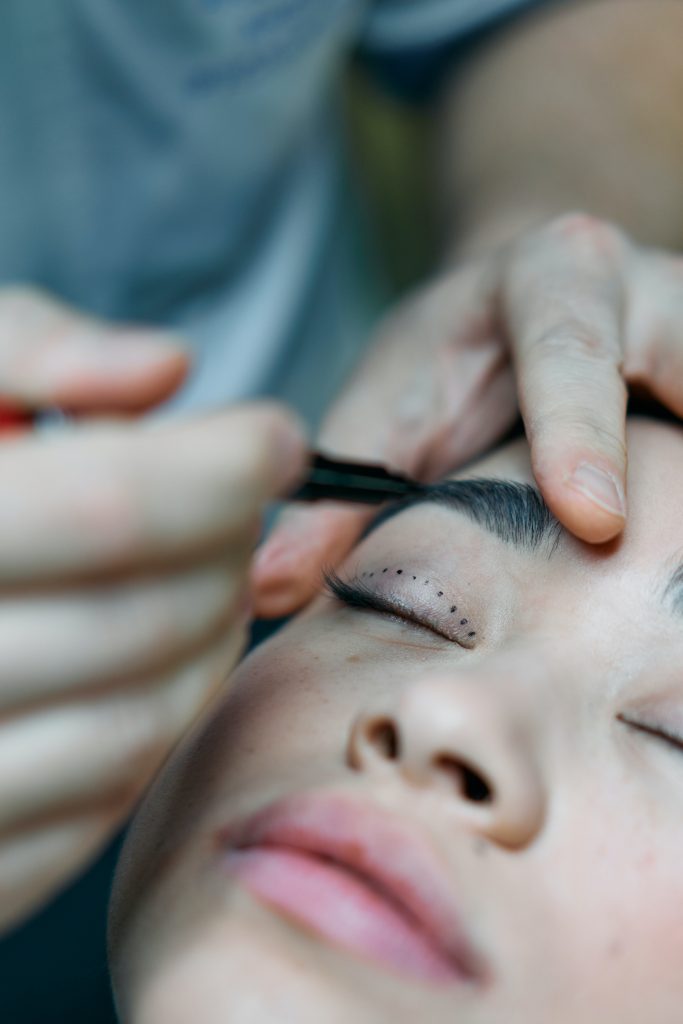

Motivations for clothes
There are four larger motivations for how and why people wearing apparel. These do non capture every single nuance, just they are the four most prominent themes.
- Protection: for example, from natural elements
- Modesty: avoids indecency
- Advice: highlights diverse identities (e.g. age, gender, race, religion, sexuality, socio-economical status, etc.)
- Adornment: emphasizes decorative or aesthetic function
Dress and dressing are complex. Dress is more than but objects. It is laden with pregnant. The dressed and undressed body is a project of both witting and subconscious continual structure.
Identity has numerous definitions. In general, identity refers to an organized set of characteristics that limited various aspects of who yous are. Dress is used to communicate our identities, such as
- race
- religion
- sex activity
- gender
- sexuality
- power
- body size
The Situated Self
Contexts or situations influence individuals to wearing apparel and act differently, depending on which identity is salient. The concept of the situated self (Kaiser, 1997) refers to the idea that depending upon the context, a person may clothes or act differently depending upon which identity is nearly salient at the fourth dimension. This is function of what is called identity negotiation processes. This means that identities are negotiated, or, in other words, continually in flux, not static. This is specially true for individuals who occupy more than ane marginalized identity. For instance, Black gay men have explained that their Blackness identities might be more salient in Black spaces, notwithstanding within queer spaces they have to choose to whether their Black identities or gay identities might exist more than salient, depending on the composition of the group (Cole, 2019). This isn't necessarily ever truthful for Black people, as there are varied experiences of existence both Black and queer (Johnson, 2019).
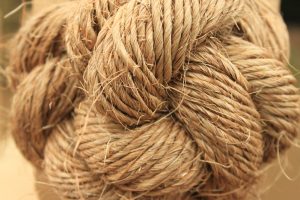
The identity negotiation procedure is the continual process of shifting and changing appearance and wearing apparel depending on the development of identity. Information technology is oft thought of equally a knot: equally one knot loosens, another tightens. This similar to how we every bit humans experience our unlike identities. One identity becomes more prominent in different situations.
Socialization refers to learning virtually how to behave and announced. This is often passed on through agents, individuals who teach us norms and values of our guild through modeling or direct educational activity. Some of these agents include
- parents
- peers
- media
- professionals (teachers, coaches, doctors, et cetera)
- cultural beliefs (written or unwritten norms)
- personal shoppers
- retailers or manufacturers
Identities are communicated through how nosotros appear and what we wear (Kaiser, 2012). Identities are likewise communicated other ways, such as other objects around us, including where nosotros live, the transportation we use, amid many many other examples. Dress and appearance practices though, announce who nosotros are depending on which identity we are communicating at any 1 fourth dimension. For example, while on campus, you lot might wear a T-shirt from your academy, announcing your connectedness to it and demonstrating that you identify as a role of that community as a student, fan, or maybe alumnus (Lennon, Johnson, and Rudd, 2017). This university customs identity might not be important to communicate though if, for example, you are attending a nuptials.
There are unlike types of identities. For example, a collective or social identity comes from being a part of a group or from having group membership. For example, being a member of a particular year in school is a collective identity. Therefore, you could identify equally a first-yr educatee in college. Another collective identity could be tied to race. For example, a person of African descent may identify every bit part of the Black community due to their ties to their race (Lennon, Johnson, & Rudd, 2017). Many people have numerous collective identities surrounding their race, gender, sexuality, sex activity, religion, torso size and shape, ability, or ethnicity.
A 2nd example of an identity is a personal identity. Personal identities concern private traits. Individual traits tin include, for instance, being funny, open up, careful, agreeable, audacious, or airtight off. (Lennon, Johnson, & Rudd, 2017). Numerous parts of one's identity reverberate personal traits. Therefore, while you might identify as an outdoors person, the audacious part of your identity is called the personal identity, whereas the outdoors person could reflect your membership in the grouping, or your collective identity.
Relational identities are a third case. These refer to relationships, such as begetter–son or wife–wife. Dress can reflect relational identities, just it can the other types of identities. For instance, sometimes when families go together to Disney World they vesture matching outfits or T-shirts. And two women who are married may habiliment wedding rings to signify their relational identity.
Body piece of work
One function of identity negotiations and apparel modification is referred to every bit body piece of work. Torso piece of work includes managing the body through physical activity or exercise, dieting or watching what i eats, using make-up, undergoing cosmetic surgery, and many other activities.

A person might besides wear a certain manner of clothes to change the shape of the body, perhaps hiding or emphasizing parts of the body. One might hide parts of the body by wearing baggy clothes, whereas they might reveal parts of the with tight or low-coverage article of clothing (e.g., crop tops). People of all genders do body work (Lennon, Johnson, & Rudd, 2017).
Identity Development Online
In the twenty-first century, thanks to advances in and increased usage of technology, many people develop their identities online. Yous might apply a virtual community to effort out dissimilar identities; for instance, in virtual reality chat, you can "put on" an identity inside an anonymous space. Online spaces aid users anonymously normalize identities and behaviors anonymously (e.1000., anorexia, Trekkies, moms, et cetera).
Stigma refers to a marker of shame or of disapproval, or a stain on i's reputation (Goffman, 1963). Stigmatized identities refer to those identities that violate a societal norm for a item fourth dimension or space. Numerous identities are stigmatized. For example, fat people oft experience stigma related to their trunk size and shape (Sherman, 2011). Fat stigma, which is very common, can significantly influence people'south experiences (Meadows, 2018). Here are just a few identities that experience severe stigmatization:
- people who are fat
- people of colour
- members of the LGBTQIA+ community
- people with disabled bodies
| Take that stigma applies to self | Challenge that stigma applies to self | |
| Accept the public understanding of stigma (status quo) | Accepting stigma | Avoiding stigma |
|---|---|---|
| Challenge the public understanding of stigma (change) | Evading responsibility for stigma Reducing the offensiveness of stigma | Denying stigma Ignoring stigma |
Meisenbach (2010) further expands on each of these behaviors:
An individual accepting a stigma may passively accept the condition quo, repent for their stigma, apply humor as a source of comfort, arraign the stigma for negative outcomes in one's life, isolate themselves, or bail with other stigmatized people.

An individual avoiding a stigma might hibernate or deny their stigmatized aspect, avoid situations where this attribute is notable, end the behavior that stigmatizes them, altitude themselves from the stigma, or criticize others in an effort to make themselves seem favorable past comparing.
An individual evading responsibleness for a stigma may accept that they display stigmatized attributes but challenge the ways those attributes are perceived by the public. For case, the individual may contend that they were born with the stigmatized attribute, that it was inflicted upon them, or that they cannot change the style the public perceives them.
An private reducing the offensiveness of a stigma may endeavour to reclaim the stigma past reinforcing the positive aspects of their stigmatized attribute, to minimize the damage of the stigma by arguing that their stigmatized aspect is non as severe or harmful as information technology is depicted by the public, or to transcend the stigma by explaining how their stigmatized aspect can exist a positive one.

An individual denying a stigma may attempt to testify that the attributes they are stigmatized for should not be stigmatized, providing evidence for why the public perception of their attribute needs to alter or highlighting logical fallacies in the fashion the aspect is addressed. Alternatively, the individual may deny that their attributes are stigmatized at all.
An individual who wishes to decrease a stigma may ignore or display the stigmatized attribute by normalizing it or accepting information technology as a part of their identity. An private using this communication strategy might flaunt their stigmatized attribute through clothes or beliefs or forgo means of dress that minimize or hibernate the stigmatized characteristic.
A quinceañera is a celebration in Latinx culture in which girls, on their 15th birthdays, gloat the transition from a childhood to womanhood. Central to the event is the formal, full-length gown the daughter wears. According to Lennon, Johnson, and Rudd (2017), these are consumption events: they are "a commercial opportunity (a) to buy products and experiences, (b) that touch on identity, (c) that involve wearing special article of clothing and accessories which are used as props in identity assumption, and (d) in which product consumption and feel consumption reinforce the identity" (249).
A quinceañera is 1 of the many ways people in different stages of life, cultures, communities, ages, and thus identities negotiate their identity through dress.
Watch this brusk film about quinceañera:
To view a transcript for this video, download this file: What is a Quincenera Video Transcript [Doctor]
References
Cole. Southward. (2019). The deviation is in the detail. Negotiating Black gay male manner in the twenty-beginning century. Clothes, 45(ane), 39-54.
Goffman, Eastward. (1963). Stigma: Notes on the management of spoiled identity. New York: Touchstone.
Kaiser, Due south. B. (1997). The social psychology of clothing: Symbolic appearances in context. New York: Fairchild.
Kaiser, S. B. (2012). Fashion and cultural studies. London: Bloomsbury.
Lennon, S., Johnson, K. G. P., & Rudd, Due north. (2017). Social psychology of dress. London: Bloomsbury.
Step 1: Become familiar with the case study.
- The case report attached below is a Word document and can be downloaded. Information technology includes the task, evaluation, and template for the case study:
Clothes Appearance and Identity Case Study [Doc]
Step Two: Submit your complete consignment on Canvas.
- Format your document.
- Think to check the submission against the rubric.
mathesonyouripasted.blogspot.com
Source: https://iastate.pressbooks.pub/dressappearancediversity/chapter/dress-appearance-and-identity/
0 Response to "Read Chapters 1 and 2 in the Textbook. Clothes and Your Appearances"
إرسال تعليق